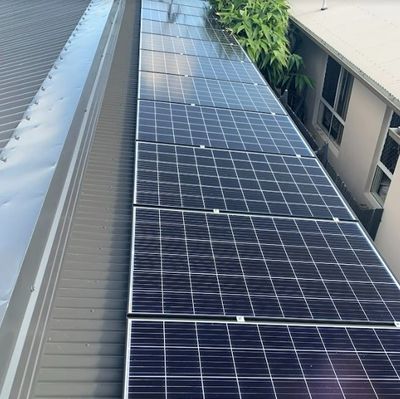
Solar Panel Inspections
solar panels are durable
Solar systems usually need little maintenance over their lifespan, which can be up to 25 years. But over time, overhanging trees, dust and debris, and storm damage can all take their toll on solar panels, wiring and control systems. Unmaintained solar systems can reduce its performance.
When you have your system installed, the installer must provide you with instruction handbooks, documents required for warranty purposes, as well as a maintenance schedule. It’s important to follow this maintenance advice and check your system periodically.
These are some of the steps you should take to keep your solar operating at its best, and its safest.
CHECK YOUR SYSTEMS PERFORMANCE
Keep an eye on your system’s performance so you can spot issues quickly.
This can include:
- checking the generation levels shown on your electricity bills – look for drastic changes to your energy usage, or your solar feed-in tariff
- checking monitoring data for decreased performance
- checking the data screens on your inverter, or its online interface, for error messages.
Each system is different, so refer to your owner’s manual for more information on how to check your system’s performance.
You may also consider investing in third-party monitoring for your system.
INSPECT FROM THE GROUND
You should visually inspect your solar power system from the ground. Check to see if:
- the inverter is showing a red or orange light during the day when panels are generating
- there is excessive build-up of hard-to-remove debris, like tree sap and bird droppings
- the solar panels look like they are not securely fastened to the roof or look damaged
- the cases for the isolation switches and inverter look cracked or damaged
- the wiring looks damaged or fraying.
If you notice any of these issues, or anything else that looks concerning to you, ask a licensed electrician or a Clean Energy Council accredited solar panel installer to inspect it for you.
Ensure that the inspector will check the following as a minimum:
- solar panels are clean, secure and undamaged, and no parts have deteriorated
- vents are free of debris
- switches are undamaged
- wiring is undamaged and has not deteriorated
- fittings and cables are secure
- the isolator switches are not blocked off
- emergency procedures for shut down and isolation are clearly displayed.
The inspector should also perform electrical checks to ensure all components are operating as intended and should check the inverter display panel for any recorded faults.
FURTHER INFORMATION
Visit the Electrical Safety Office for more information on maintaining your solar photovoltaic system and electrical product recalls.